
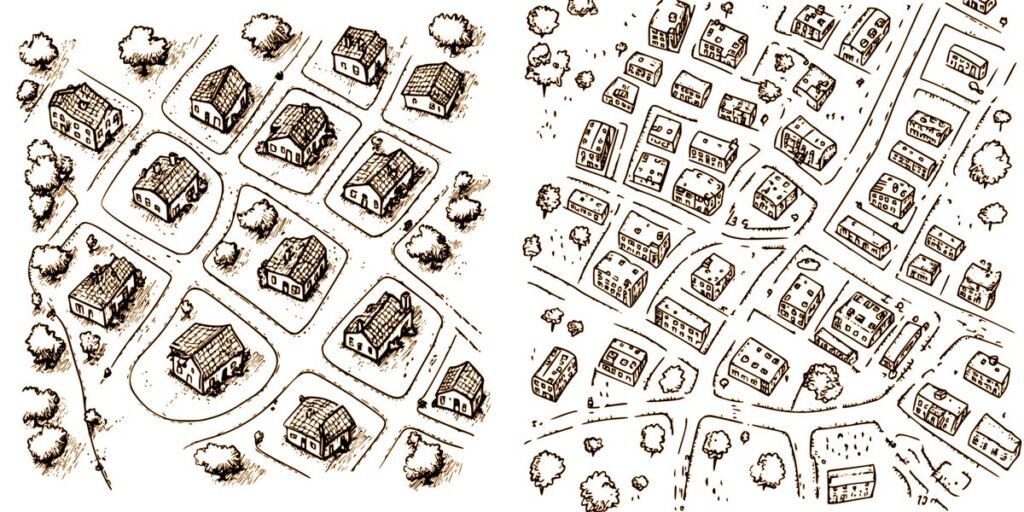
Nestled along the northern banks of the Chenango River, the North Side of Binghamton, NY, stands as one of the city's oldest and most storied neighborhoods. From its industrial beginnings to its vibrant present, the North Side carries the echoes of generations who built their lives along its tree-lined streets and in its close-knit communities. For both newcomers and those whose roots run deep, discovering the North Side’s rich history is a journey through time, culture, and resilience.
The Origins of the North Side
The North Side’s story dates back to the mid-1800s, when Binghamton was blossoming as a hub for industry and transportation. The neighborhood got its name in a straightforward but fitting manner: it’s located to the north of the Susquehanna and Chenango Rivers, which slice through the heart of the city. This prime location made it accessible for the waves of immigrants who arrived in the late 19th and early 20th centuries, many seeking work in Binghamton’s cigar factories, shoe plants, and rail yards.
Originally, much of the area was farmland and marsh, with the earliest development springing up around Chenango Street and the surrounding grid of avenues. The street itself remains the main artery of the North Side, running through its center and connecting it to downtown Binghamton to the south and Hillcrest to the north.
Key Historical Milestones
- Late 1800s: Immigration and the Industrial Boom
The late 19th century saw an influx of European immigrants—primarily Italian, Polish, and Irish—drawn by manufacturing jobs. The Endicott-Johnson Shoe Company and other local factories offered steady work, and affordable housing sprang up along places like Frederick, Emmett, and Lydia Streets.
- 1900s: Growth and Community Institutions
The North Side’s growth was marked by the establishment of churches, schools, and local businesses. St. Cyril and Methodius Church on Clinton Street remains a testament to the neighborhood’s Slovak and Eastern European roots. Across the decades, neighborhood schools—like Calvin Coolidge Elementary—served generations of families.
- Mid-20th Century: Urban Renewal and Change
Like many urban neighborhoods, the North Side underwent changes during the urban renewal efforts of the 1960s and 70s. The construction of Route 363 reshaped portions of the landscape, while the decline of manufacturing forced many to adapt to new realities. However, the community’s traditions, block parties, and sense of belonging endured.
Notable Landmarks and Buildings
Walking through the North Side today is a treat for history buffs and architecture fans alike. Several buildings and sites speak to its unique character:
- Clinton Street Historic District
Lining Clinton Street, from State Street well into the North Side, are handsome brick facades and vintage storefronts that hearken back to the area’s days as a bustling commercial corridor. This stretch was once called “the second Main Street” of Binghamton, and many of its buildings date back to the late 1800s and early 1900s.
- Cheri A. Lindsey Memorial Park
Formerly Northside Park, this beloved green space near the intersection of Truesdell and Frederick Streets was renamed in honor of Cheri A. Lindsey, a young North Side resident whose tragic story deeply moved the community in the 1980s. Today, the park serves as a hub for neighborhood gatherings, sports, and family picnics.
- St. Cyril and Methodius Catholic Church
A cornerstone for the neighborhood’s immigrant families, this stately church on Clinton Street continues to offer spiritual support and celebrates cultural traditions more than a century after its founding.
- North Side Assembly of God (now NorthPointe Church)
Active for nearly 90 years, this church on Front Street has hosted everything from soup kitchens to food pantries, reflecting the North Side’s spirit of compassion and service.
The Neighborhood Spirit
While the landscape has shifted with the times, one thing remains constant: the North Side’s neighborly heart. Residents often describe how front porches become gathering spots on summer evenings, and how annual festivals bring together people of all ages and backgrounds. Local markets, such as Wegmans on Harry L Drive just over the hill, are everyday meeting places where you’re likely to run into a familiar face.
Today, the North Side is defined by its diversity and perseverance. New waves of residents—many from Latin American, African, and Asian backgrounds—bring fresh energy, opening shops and restaurants that blend old-world recipes with new traditions. Block after block, from the stately Victorian homes near Front and Main Streets to the tidy Capes on Moffatt Avenue, you can see the story of Binghamton’s North Side written in wood, brick, and stone.
Evolving with the Times
The North Side has faced its share of challenges over the years, from economic decline to floods and urban renewal. Yet, it has continually reinvented itself. Community organizations such as the North Side Neighborhood Assembly and volunteers from local churches work tirelessly to improve safety, beautify public spaces, and support neighborhood children.
In recent years, efforts to revitalize Clinton Street and the surrounding commercial districts have begun to bear fruit. Small businesses, art studios, and coffee shops are breathing new life into long-standing storefronts. The legacy of industry remains visible, but so too does a sense of hope for the future.
Why the North Side Is Special
For longtime residents and those just discovering its charms, the North Side is more than just streets and buildings. It is the laughter of children at Cheri A. Lindsey Park, warm greetings at the corner store, the legacy of families who built their lives here, and the promise of those who continue to shape it today. The history and heritage of the North Side are woven into every corner—a living testament to Binghamton’s spirit of community, adaptation, and pride.
As you stroll along Chenango Street or pause beneath the leafy trees of Clinton Street, take a moment to reflect on the many stories this special neighborhood holds. The North Side isn’t just part of Binghamton’s past—it’s an essential part of its future, as vibrant and welcoming as ever.